

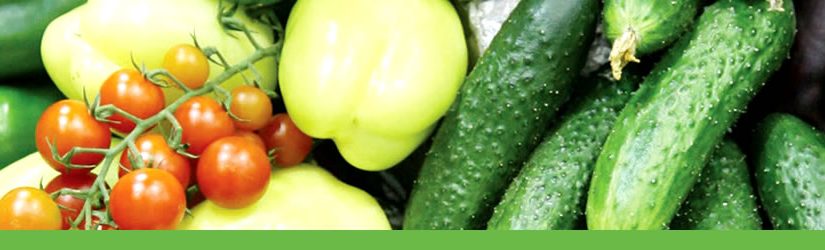
Vegetables are produced in almost 200 countries all over the globe. Tomatoes are the world’s largest vegetable crop, with a global production of more than 130 million tons. Global vegetable production amounted to a total of 1088 million tons. Asia cultivates by far the most vegetables in the world and has also shown strongest growth over the last decade. Much of this growth is attributed to China which cultivates over 24 million hectares of vegetable crops on a global total of 57 million hectares.
Boom Flower® has been tested in many countries in reputed research institutes and proved to improve the productivity and the quality of various vegetable crops.
Best Vegetable Fertilizer: What Experts Recommend for Healthy Plant Growth
Vegetable fertilizer plays an important role in helping crops grow stronger, produce better yields, and maintain consistent quality throughout the growing season. Every vegetable crop has different nutritional needs, and providing the right balance of nutrients at the right stage supports healthy plant development, vigorous vegetative growth, improved flowering, and better fruit formation. Along with proper irrigation and crop management, choosing reliable crop nutrition solutions can make a significant difference to overall productivity.
At Devi Crop Science, we offer dependable agricultural solutions that help farmers support healthier vegetable crops and maximise their harvest potential through balanced crop nutrition.
How to Choose the Best Fertilizer for Vegetables
Understand Your Crop’s Nutritional Requirements
Different vegetables require different nutrient levels during various stages of growth. Leafy vegetables often need greater support during healthy plant growth, while fruiting vegetables require balanced nutrition during flowering and fruit development. Choosing products according to crop requirements helps plants utilise nutrients more efficiently.
Consider the Crop Growth Stage
Nutrient requirements change as the crop develops. Young plants benefit from nutrition that encourages root establishment and healthy foliage, while later development stages require products that support flowering, fruit setting, and overall crop development. Timely application helps achieve better results.
Focus on Balanced Crop Nutrition
The best fertilizer for vegetables depends on the crop, its progress stage, and the nutritional requirements throughout the season. Selecting high-quality agricultural inputs ensures crops receive dependable nutritional support.
Follow Recommended Application Practices
The choice of liquid fertilizer for vegetables depends on crop requirements and the recommended application schedule. Always follow the recommended application schedule based on crop type, field conditions, and local agricultural guidance.
Choose Trusted Agricultural Solutions
Quality matters when selecting crop nutrition products. Along with balanced nutrition, a suitable plant growth regulator can support healthy plant development, flowering, and overall crop development when used according to crop requirements. Reliable agricultural solutions help maintain consistent crop performance and productivity.
Benefits of Using the Right Vegetable Fertilizer
- Supports healthy root development for stronger plant establishment.
- Encourages uniform crop development and healthier foliage.
- Promotes better flowering and improved fruit development.
- Supports consistent crop growth under proper crop management practices.
- Contributes to improved vegetable quality and marketable produce.
- Helps maximise yield potential with balanced crop nutrition.
- Works effectively when combined with proper irrigation and timely farm practices.
Choosing the right fertilizer for vegetable garden or large-scale cultivation depends on crop requirements and proper nutrient management.
Step-by-Step Guide to Applying Fertilizer for Vegetables
Step 1: Assess Crop Requirements
Identify the vegetable crop and understand its nutritional needs according to its growth stage before selecting crop nutrition products.
Step 2: Prepare the Field
Ensure proper soil preparation, effective irrigation, and good drainage so nutrients can be utilised efficiently. A well-planned irrigation system installation also helps maintain consistent moisture throughout the growing season.
Step 3: Select the Right Crop Nutrition Solution
Choose quality agricultural products like best organic fertilizer for vegetables that support balanced nutrition and healthy crop development throughout the growing season.
Step 4: Apply at the Recommended Stage
A suitable vegetable booster such as boom flower can further support flowering, fruit development, and overall crop performance when used according to recommendations.
Step 5: Monitor Crop Performance
Observe plant development, foliage development, flowering, and fruit formation regularly. Healthy monitoring helps determine whether additional nutritional support is required.
Step 6: Combine with Good Crop Management
Balanced nutrition delivers better results when combined with proper irrigation, suitable bio pesticides, and effective crop management practices.
Give every growing season a stronger start with dependable agricultural products from Devi Crop Science.
FAQs
1. Which fertilizer is best for vegetable plants?
The best fertilizer depends on the crop type and its stage of growth. Balanced crop nutrition solutions help support healthy plant development, flowering, and better productivity.
2. How often should I fertilize vegetable plants?
Application frequency varies depending on the crop, soil conditions, and nutrient requirements. Following the recommended schedule ensures plants receive timely nutritional support.
3. Is the same vegetable fertilizer suitable for all types of vegetables?
Different vegetable crops have different nutritional requirements throughout their growth cycle. For example, a fertilizer for peas may not be suitable for every vegetable crop, so products should always be selected according to the crop’s specific needs.
4. What are the signs of over-fertilizing vegetable plants?
Over-fertilized plants may show leaf burn, poor development, or reduced overall plant health. While some growers also use a natural fertilizer for plants, every product should be applied according to the recommended dosage to avoid over-fertilisation.