The inhouse trials on Coconut indicated that 3 soil applications of Boom Flower® 15% Granules @ 50 gms/palm increased the yield by 25%.
Salient Findings
- Boom Flower® improved the nut formation
- It reduced the nut drop considerably
- Increased the size of the nut
- Increased the kernel size and the quality of the nuts
Source: Devi Cropscience Pvt Ltd., India.
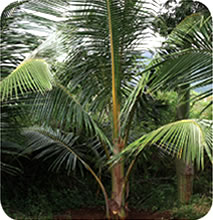
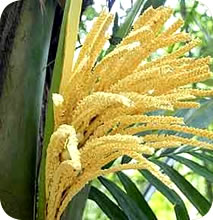
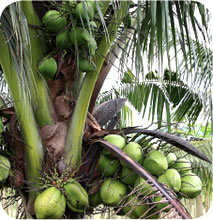
Suggested Spray Schedule for Coconut
The application will vary depending on the variety of the palm.
| Crop | BF Dose | Application | |||
| Perennial | 50 gms / palm / application | The granule is mixed with required quantities of sand or along with the fertilizers, 3 times in a year. Follow the donut pattern of application, 3 feet away around the trunk of the palm. | |||
>> To view more details scroll the table from left to right
Why Fertilizer for Coconut Trees Is Essential for Healthy Growth
Healthy coconut trees require balanced nutrition throughout every stage of growth. Choosing the right fertilizer for coconut trees helps improve root development, leaf growth, flowering, and nut production while maintaining long-term tree health. Since coconut palms remain productive for decades, a proper fertilization program is essential for consistent yields and better-quality coconuts. At DEVI CROPSCIENCE, we provide reliable crop nutrition solutions designed to meet the changing nutrient requirements of coconut trees throughout their growing cycle.
Our fertilizer solutions are formulated to supply essential nutrients that support healthy growth, stronger root systems, improved flowering, and higher nut yields. We also offer mango tree fertilizer and banana fertilizer solutions, helping farmers maintain balanced nutrition across multiple orchard crops.
Best Fertilizer for Coconut Trees: Essential Nutrients for Healthy Growth
Coconut palms are long-term crops that require a balanced supply of nutrients throughout their productive life. Selecting the best fertilizer for coconut trees means understanding which nutrients contribute most to healthy growth and higher yields.
- Nitrogen (N): Promotes healthy leaf development, vigorous vegetative growth, and a dense green canopy.
- Phosphorus (P): Encourages strong root development, particularly during the early growth stages, while supporting flowering and fruit development.
- Potassium (K): Plays a vital role in nut development, kernel filling, drought tolerance, and overall coconut production.
- Magnesium (Mg): Supports chlorophyll formation and efficient photosynthesis while maintaining healthy green fronds.
- Micronutrients: Elements such as boron, zinc, manganese, and iron contribute to improved flowering, fruit set, and overall palm health.
Along with balanced nutrition, DEVI CROPSCIENCE also offers Boom Flower Plant Growth Regulator, which helps improve flowering, nut setting, and overall crop performance when used alongside a proper fertilizer program.
Best Time to Apply Fertilizer to Coconut Trees
Applying fertilizer at the right time is just as important as choosing the correct nutrients. Coconut palms absorb nutrients more efficiently when fertilizer is applied according to the crop’s growth cycle.
- Apply fertilizer in three split doses throughout the year for better nutrient utilization.
- Early monsoon applications encourage healthy vegetative growth.
- Mid-season applications support flowering and nut development.
- Post-monsoon fertilization replenishes nutrients and prepares palms for the next growth cycle.
- Water the soil after fertilizer application whenever rainfall is not expected to improve nutrient absorption.
How to Apply Fertilizer to Coconut Trees for the Best Results
Split Applications Give Better Results
Instead of applying the entire fertilizer dose at one time, divide it into three smaller applications during the year. This improves nutrient availability and minimizes nutrient loss.
Apply Fertilizer Around the Root Zone
Most feeder roots are located in a circular zone away from the trunk. Apply the fertilizer evenly around this area rather than directly against the stem to maximize nutrient uptake.
Mix Fertilizer into the Soil
Lightly incorporate fertilizer into the topsoil or mix it with sand before application. This promotes even nutrient distribution and reduces nutrient losses caused by runoff.
Monitor Palm Growth Regularly
Observe leaf colour, flowering, nut formation, and overall palm vigor throughout the season. Regular monitoring helps determine whether adjustments to the fertilizer schedule are needed.
Common Coconut Tree Fertilization Mistakes to Avoid
- Applying fertilizer directly against the trunk.
- Using excessive nitrogen throughout the year.
- Ignoring soil testing before fertilizer application.
- Skipping important micronutrients such as boron and zinc.
- Applying fertilizer to dry soil without irrigation.
- Using the same fertilizer formulation throughout every growth stage.
Why Choose DEVI CROPSCIENCE Coconut Fertilizer
DEVI CROPSCIENCE provides complete crop nutrition solutions designed to support healthier coconut palms and higher productivity. Our crop nutrition experts work with farmers to recommend balanced fertilizer programs based on crop stage, soil conditions, and production goals.
Beyond fertilizers, we also offer bio pesticides for integrated crop protection and irrigation system installation services through DEVI Irrigation Systems Pvt. Ltd., helping farmers manage nutrition, irrigation, and crop health under one trusted brand.
If you are looking for reliable fertilizer for coconut trees, DEVI CROPSCIENCE offers practical solutions that help improve tree health, flowering, nut development, and long-term productivity.
FAQs
Which Nutrients Do Coconut Trees Need Most for Healthy Growth?
Coconut trees require nitrogen, phosphorus, potassium, magnesium, and essential micronutrients such as boron, zinc, and manganese. Balanced nutrition promotes healthy foliage, strong roots, improved flowering, and better nut production.
What Is the Best Fertilizer Schedule for Coconut Trees?
For best results, apply fertilizer in three split doses throughout the year. Split applications improve nutrient absorption, reduce wastage, and provide a consistent nutrient supply during different growth stages.
What Are the Signs of Nutrient Deficiency in Coconut Trees?
Common symptoms include yellowing leaves, reduced canopy growth, poor flowering, increased nut drop, and smaller coconuts. Regular field observation and soil testing help identify deficiencies early.
How Should Fertilizer Be Applied to Coconut Trees?
Apply fertilizer evenly around the feeder root zone rather than directly against the trunk. Lightly mix it into the soil and irrigate after application if rainfall is not expected.
What Are the Risks of Over-Fertilizing Coconut Trees?
Over-fertilization can damage roots, reduce nutrient uptake, increase nutrient losses, and negatively affect tree health. Always follow the recommended fertilizer rate based on tree age, soil conditions, and local agricultural recommendations.
