• DEVI CROPSCIENCE

Potato

Home > Solanum tuberosum

Potato

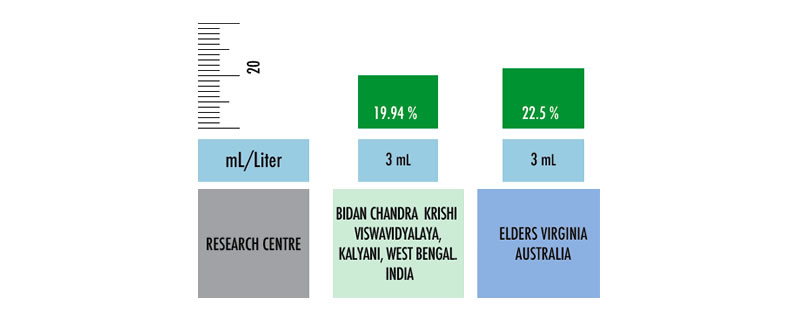
2 applications of Boom Flower® granules @ 12.5 kg/Ha and 2 applications of Boom Flower® liquid @ 3 ml/liter of water increased the yield up to 22.5%.

Salient Findings

  • Boom Flower® increased the number of tubers / plant
  • Increased the average weight of the tubers by 24.24%
  • Increased the average number of marketable grade of potatoes by 17.3%
Suggested Spray Schedule for Potato

The application will vary depending on the duration of the crop

Crop Duration BF Dose Application Schedule Remarks
Direct sown 120 days 2 ml / lit of water 1st spray 25 DAS Improves root growth
2nd spray 50 DAS Improves tuber formation & setting
3rd spray 70 DAS Improves assimilation
4th spray 90 DAS Increases tuber weight & yield
>> To view more details scroll the table from left to right
Fertilizer for Potato: Essential Nutrition for Healthy Potato Plants

Choosing the right fertilizer for potato crops is the foundation of a strong, high-yielding harvest. Potato plants are heavy feeders that draw large amounts of nitrogen, phosphorus, and potassium from the soil to support tuber formation, root growth, and overall plant vigor. Without balanced nutrition, farmers often see smaller tubers, poor skin quality, and reduced resistance to disease. At DEVI CROPSCIENCE, we understand the specific nutritional demands of potato crops at every growth stage and offer solutions built to help farmers achieve stronger plants and better output.

Along with the best potato fertilizer, we also offer plant growth regulators, like Boom Flower, to further support crop development.

Complete Guide to Choosing the Right Potato Fertilizer

Selecting the best fertilizer for potatoes for your potato field depends on soil condition, crop stage, and output goals. Here is what to consider before making a choice.

Understand Your Soil Health First

Before applying any fertilizer, it is important to check the existing nutrient status of your soil. Potato crops thrive in slightly acidic to neutral soil with good organic matter content. Knowing what your land already holds helps avoid over-application and unnecessary input costs.

Focus on Nitrogen, Phosphorus, and Potassium Balance

Potato plants need nitrogen for vigorous foliage, phosphorus for a strong root system and tuber formation, and potassium for tuber size, starch content, and overall quality. A well-proportioned NPK ratio suited to the crop stage delivers far better results than relying on a single nutrient.

Consider Secondary and Micronutrients

Beyond the primary nutrients, potatoes also respond well to calcium and magnesium, along with micronutrients such as zinc and boron. These support cell strength, reduce internal tuber defects, and improve the plant’s overall condition.

Match Fertilizer Type to Growth Stage

Different phases of potato development, from sprouting to tuber bulking, call for different nutrient emphasis. A single vegetable fertilizer used throughout the season rarely gives optimum results compared to a phase-wise fertilizer for potato plants.

Potato Fertilizer Schedule: When and How to Apply for Maximum Yield

Stage Recommended Application Purpose
At Planting (Basal Application) Apply phosphorus, potassium & moderate nitrogen Supports early root establishment
Sprouting to Vegetative Phase Apply nitrogen-rich fertilizer Encourages vigorous foliage & strong plant growth
Tuber Initiation Stage Reduce nitrogen and increase potassium Supports tuber formation
Tuber Bulking Stage Apply potassium-rich fertilizer Improves tuber size, weight & starch content
Pre-Harvest Stage Limit nitrogen and maintain potassium Enhances tuber quality & shelf life
Split Application Divide fertilizer into 2–3 applications Improves nutrient uptake & reduces wastage
>> To view more details scroll the table from left to right

Following this potato fertilizer schedule helps prevent deficiency symptoms like pale leaves, weak stems, or undersized tubers while reducing the risk of over-fertilization.

Shop Premium Potato Fertilizers for Healthier Crops at DEVI CROPSCIENCE

DEVI CROPSCIENCE offers a dependable range of best fertilizer for potatoes formulated to meet the specific nutritional needs of potato crops at every stage of growth. Our products are designed to support strong roots, vigorous foliage, and improved tuber size and quality, helping farmers achieve consistent and profitable output season after season. We focus on providing solutions that are practical for field conditions and easy to fit into an existing crop management plan.

We also offer bio pesticides and irrigation system installation services, giving farmers a more complete and efficient way to manage their potato crops.

FAQs

1. Why is potassium important in potato special fertilizer?

Potassium plays a direct role in tuber size, weight, and starch buildup, making it one of the most critical nutrients during the bulking stage. It also strengthens the plant’s tolerance to stress and improves the storage life of harvested tubers.

2. How do I know if my potato crop needs more fertilizer?

Common signs include pale or yellowing leaves, sluggish growth, weak stems, and tubers smaller than expected. A soil test remains the most reliable way to confirm the exact deficiency before adding more fertilizer for potato.

3. Which nutrients are most important for potato production?

Nitrogen, phosphorus, and potassium are the three primary nutrients potato crops require in the highest quantities, supporting foliage, root development, and tuber quality respectively. Secondary elements like calcium and magnesium, along with micronutrients such as zinc and boron, also contribute to overall plant health.

4. How can balanced fertilization improve potato yield?

Balanced potato fertilizer dose ensures the plant gets the right nutrients at the right stage of growth, supporting vigorous foliage, strong roots, and proper tuber formation. This lowers the chances of deficiency or excess, leading to a higher and more consistent output.